Choosing the Right Running Shoes for Marathon Training

Choosing the right running shoes for a marathon can help protect your feet and keep you comfortable over long distances. The best marathon running shoes fit well, provide suitable cushioning, and hold your feet securely without feeling tight. Shoes that do not match your foot shape or running style may contribute to blisters, heel pain, or soreness around the toes. Since marathon training places repeated stress on your feet, selecting appropriate footwear is an essential part of preparing for race day.

Comfort should be your first priority when trying on running shoes. Look for enough room to wiggle your toes, with a secure fit around the heel and midfoot. Your toes should not press against the front of the shoe, especially when running downhill. Cushioning should feel supportive rather than unstable, while shoe weight should suit your needs and running pace. Try on shoes later in the day, when your feet may be slightly larger, and wear the socks you plan to use during training.


Wearing the wrong running shoes can increase pressure and friction, leading to blisters or painful calluses. Poor support may also aggravate existing problems, including plantar fasciitis, an irritation of the broad band of tissue under the foot. Risk factors include worn-out soles, incorrect sizing, and suddenly increasing mileage. Replace shoes when cushioning or tread shows significant wear, and test new footwear during shorter runs before using it for long-distance training. Avoid choosing shoes based only on appearance or recommendations that do not account for your individual needs.


If foot pain occurs despite changing shoes and adjusting your training, a podiatrist helps identify the cause. The examination may include checking your gait, foot structure, and pressure points. Depending on the findings, treatment may involve footwear changes, custom orthotics, or other appropriate care. Addressing discomfort early helps you train more safely. If running shoes cause persistent foot pain, it is suggested that you consult a podiatrist for effective relief tips and additional guidance on choosing the right running shoes. 

For more information about walking shoes versus running shoes, consult with one of our podiatrists from Brondon Foot and Ankle. Our doctors can measure your feet to determine what your needs are and help you find an appropriate pair of footwear.

Foot Health: The Differences between Walking & Running Shoes

There are great ways to stay in shape: running and walking are two great exercises to a healthy lifestyle. It is important to know that running shoes and walking shoes are not interchangeable. There is a key difference on how the feet hit the ground when someone is running or walking. This is why one should be aware that a shoe is designed differently for each activity.

You may be asking yourself what the real differences are between walking and running shoes and the answers may shock you.

Differences

Walking doesn’t involve as much stress or impact on the feet as running does. However, this doesn’t mean that you should be any less prepared. When you’re walking, you land on your heels and have your foot roll forward. This rolling motion requires additional support to the feet.

Flexibility – Walking shoes are designed to have soft, flexible soles. This allows the walker to push off easily with each step.

If you have any questions, please feel free to contact our office located in Centerville, OH . We offer the newest diagnostic and treatment technologies for all your foot care needs.
Read more about Walking Shoes vs. Running Shoes

Foot Care for Older Adults

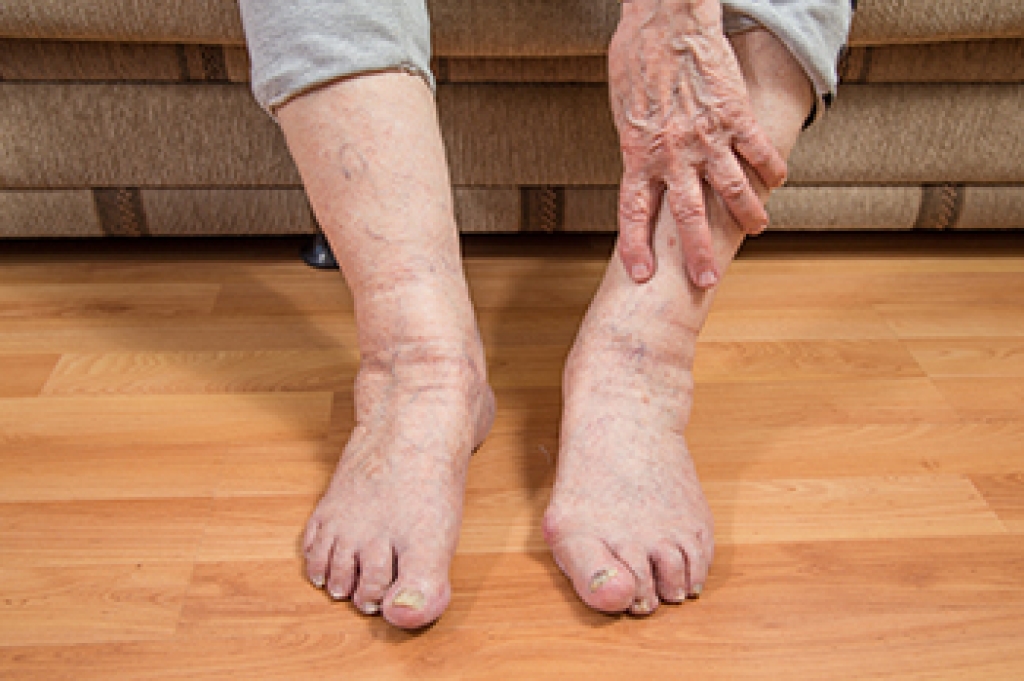
As people age, their feet undergo changes that can affect comfort, balance, and mobility. The skin may become harder and drier as collagen decreases. Changes can also occur in the muscles, joints, and soft tissues of the feet. The size and shape of the foot may change, which can affect how shoes fit. Foot pain is common among older adults and may make walking more difficult. Conditions such as diabetes, peripheral arterial disease, and nerve damage can create additional foot concerns. Arthritis may also contribute to pain or changes in foot structure, making regular elderly foot care important.


Foot problems in older adults are associated with reduced mobility and a greater risk of falls. Common concerns include thickened toenails, calluses, and corns. Dry skin, ulcers, and foot deformities may also be discovered during an examination. Some older adults have difficulty managing foot care because they cannot easily reach their feet. Footwear is important because feet can become broader with age. Shoes that do not fit properly are associated with foot pain and deformities. A professional foot examination can identify problems and can also evaluate circulation and sensation.


A podiatrist can provide foot care for older adults by examining the skin, nails, and structure of the feet. The evaluation may include checking circulation, sensation, and tenderness. A podiatrist can identify problems such as nail disorders or painful calluses and determine appropriate treatment. Foot ulcers and signs of infection require prompt professional attention. Podiatric care may also include recommendations for appropriate footwear or orthotics. Regular evaluation can help address foot problems that interfere with walking and support continued mobility as a person ages. If foot pain, skin changes, or difficulty walking is affecting daily life, it is suggested that you consult a podiatrist for an evaluation and appropriate treatment options.

Proper foot care is something many older adults forget to consider. If you have any concerns about your feet and ankles, contact one of our podiatrists from Brondon Foot and Ankle. Our doctors can provide the care you need to keep you pain-free and on your feet.

The Elderly and Their Feet

As we age we start to notice many changes in our body, but the elder population may not notice them right away. Medical conditions may prevent the elderly to take notice of their foot health right away. Poor vision is a lead contributor to not taking action for the elderly.

Common Conditions 

  • Neuropathy – can reduce feeling in the feet and can hide many life-threatening medical conditions.
  • Reduced flexibility – prevents the ability of proper toenail trimming, and foot cleaning. If left untreated, it may lead to further medical issues.
  • Foot sores – amongst the older population can be serious before they are discovered. Some of the problematic conditions they may face are:
  • Gouging toenails affecting nearby toe
  • Shoes that don’t fit properly
  • Pressure sores
  • Loss of circulation in legs & feet
  • Edema & swelling of feet and ankles

Susceptible Infections

Diabetes and poor circulation can cause general loss of sensitivity over the years, turning a simple cut into a serious issue.

If you have any questions, please feel free to contact our office located in Centerville, OH . We offer the newest diagnostic and treatment technologies for all your foot care needs.
Read more about Elderly Foot Care

Running and Common Causes of Foot Pain

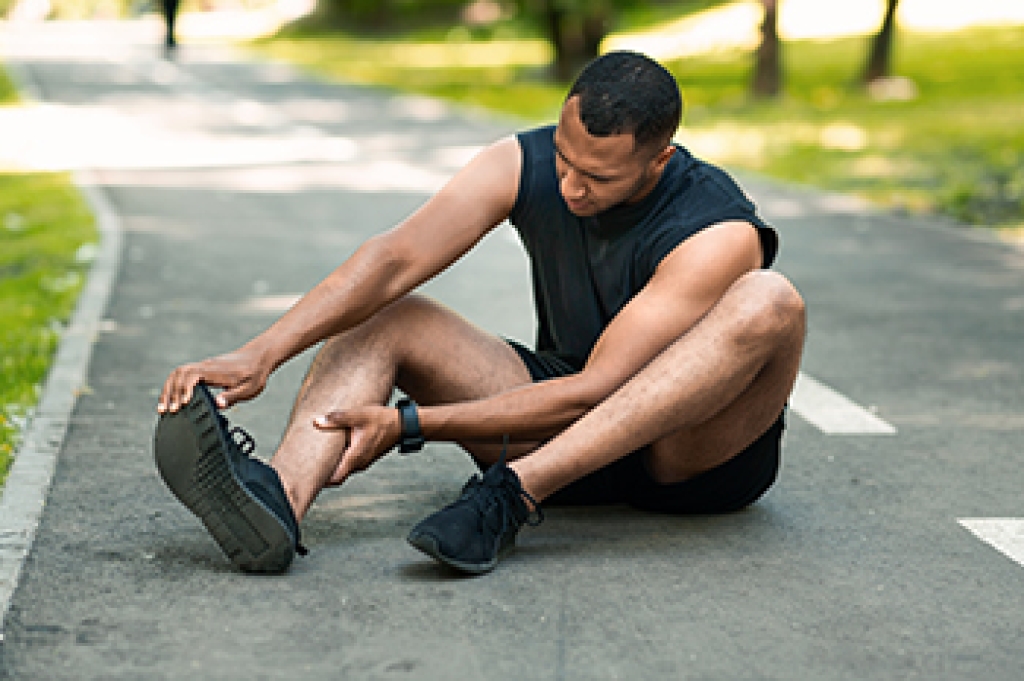
Running can be great exercise, but foot pain from running can make each step uncomfortable. During each stride, the feet absorb forces that may reach about three times your body weight. Repeated impact can stress bones, joints, and soft tissues. Common conditions include plantar fasciitis, stress fractures, and big toe pain called hallux rigidus. Symptoms may develop gradually or appear after changes in mileage, speed, or running surface. Paying attention to early discomfort can help prevent a bigger problem.

Plantar fasciitis affects the thick band of tissue beneath the foot. It connects the heel to the toes and helps support the arch. Runners may feel sharp heel pain with their first steps after rest. Tight calf muscles, increased training, and poor foot support can raise the risk. A stress fracture is a small crack in a bone caused by repeated loading. Pain worsens with activity and may include swelling or tenderness. Rapid training increases, hard surfaces, and inadequate recovery can contribute.

Hallux rigidus is stiffness and arthritis affecting the joint at the base of the big toe. Running can become painful when the toe bends during push-off. Symptoms may include joint pain, stiffness, or a bump on top of the joint. Risk factors include foot structure, previous injury, and repeated stress. A podiatrist can examine your foot, review your training, and check how you walk. X-rays may be recommended. Treatment may include rest, footwear changes, or other care based on the diagnosis.

You do not have to ignore running-related foot pain or push through it. A podiatrist can identify your symptoms and develop a plan for healing. Treatment may also include gradual return-to-running guidance, when appropriate. Wearing supportive shoes and increasing training slowly can help protect your feet. If you have foot pain from running, it is suggested that you consult a podiatrist for effective relief and treatment solutions, enabling you to return to this popular activity.

Foot Pain

Foot pain can be extremely painful and debilitating. If you have a foot pain, consult with one of our podiatrists from Brondon Foot and Ankle. Our doctors will assess your condition and provide you with quality foot and ankle treatment.

Causes

Foot pain is a very broad condition that could be caused by one or more ailments. The most common include:

  • Bunions
  • Hammertoes
  • Plantar Fasciitis
  • Bone Spurs
  • Corns
  • Tarsal Tunnel Syndrome
  • Ingrown Toenails
  • Arthritis (such as Gout, Rheumatoid, and Osteoarthritis)
  • Flat Feet
  • Injury (from stress fractures, broken toe, foot, ankle, Achilles tendon ruptures, and sprains)
  • And more

Diagnosis

To figure out the cause of foot pain, podiatrists utilize several different methods. This can range from simple visual inspections and sensation tests to X-rays and MRI scans. Prior medical history, family medical history, and any recent physical traumatic events will all be taken into consideration for a proper diagnosis.

Treatment

Treatment depends upon the cause of the foot pain. Whether it is resting, staying off the foot, or having surgery; podiatrists have a number of treatment options available for foot pain.

If you have any questions, please feel free to contact our office located in Centerville, OH . We offer the newest diagnostic and treatment technologies for all your foot care needs.

Read more about Foot Pain

Restaurant Jobs Serve Up Pressure on the Feet

Restaurant workers spend much of each shift standing, walking, and turning quickly on hard floors. These demands can place stress on the heels, arches, and balls of the feet. Fast movement also raises the risk of strains and falls on wet or greasy surfaces. Foot pain in restaurant workers often begins as a dull ache after work, then becomes sharper or persistent. Other warning signs include swelling, numbness, and burning. Pain can change the way a worker stands or walks, placing added strain on the ankles, knees, and lower back.

Shoes play an important role in safety and foot comfort. Restaurant workers should choose shoes with slip-resistant soles, firm arch support, and a secure heel. A proper fit helps prevent rubbing, pressure spots, and painful blisters. However, even well-made work shoes can lose cushioning and support with use. Long shifts can contribute to heel pain, arch strain, or irritation of the thick band of tissue along the bottom of the foot. This tissue is called the plantar fascia. Symptoms should not be ignored when they continue between shifts or interfere with movement.

A podiatrist can determine why the pain is developing and check for problems related to foot shape, joint movement, or nerve health. The examination can include an assessment of how the patient stands and walks. Imaging tests can help identify a fracture or joint damage when the doctor suspects a deeper injury. Treatment options include custom orthotics, padding, or changes to work shoes. A podiatrist can also recommend ways to reduce pressure on painful areas while maintaining workplace safety. Early care can prevent a minor problem from becoming harder to manage and help restaurant workers remain active on the job. If you have foot pain from working on your feet, it is suggested that you schedule an appointment with a podiatrist for effective relief tips, and guidance on choosing shoes for your workday.

While working on the feet, it is important to take the proper care of them. For more information about working on your feet, contact one of our podiatrists from Brondon Foot and Ankle. Our doctors will treat your foot and ankle needs.

Working on Your Feet

Standing on your feet for long periods of time can cause stress and pain in your feet. Your whole body may experience change in terms of posture, back pain, bunions, callouses and or plantar warts. There are ways to avoid these conditions with proper foot care, smart choices and correct posture.

Positive Changes

Negative heeled shoe – Choosing this shoe type places the heel slightly lower than the ball of the foot. These are great for overall foot health. Find shoes that fit you correctly.

Go barefoot – Our feet were not designed to be enclosed for all hours of the day. Try to periodically expose your feet to air.

Eliminate Pain

Foot Exercises – Performing simple exercises, incorporating yoga and doing stretches are beneficial. This will allow increased blood flow to the area and muscles of the foot.

Achilles tendon – Stretching the foot out flat on the floor will relax the calf muscles and tendon. These exercises can be performed almost anywhere. Make sure you add these exercises to your daily regimen. 

With a little bit of this information and knowing more about foot health, you will notice changes. Foot stretches and proper footwear will help with pain and prevent further issues.

If you have any questions please contact our office located in Centerville, OH . We offer the newest diagnostic and treatment technologies for all your foot and ankle needs.

Read more about How to Handle a Long Work Day on Your Feet

Connect With Us