
Surgical Options for Plantar Fasciitis Relief

Surgery for plantar fasciitis is considered when long-term heel pain does not improve with conservative care. The goal of surgery is to reduce tension and inflammation in the plantar fascia, which is the thick band of tissue supporting the arch. A plantar fasciotomy is a procedure that involves partially releasing the plantar fascia to relieve strain and promote healing. An endoscopic plantar fasciotomy is a minimally invasive approach that uses small instruments and a camera to perform the release with less tissue disruption. This method often allows for smaller incisions and a smoother recovery. A podiatrist carefully evaluates symptoms, imaging, and activity level before recommending surgical treatment. If persistent heel pain is limiting your mobility, it is suggested that you schedule a consultation with a podiatrist who can determine which type of surgery is right for you.

Foot surgery is sometimes necessary to treat a foot ailment. To learn more, contact one of our podiatrists of Brondon Foot and Ankle. Our doctors will assist you with all of your foot and ankle needs.

When Is Surgery Necessary?

Foot and ankle surgery is generally reserved for cases in which less invasive, conservative procedures have failed to alleviate the problem. Some of the cases in which surgery may be necessary include:

  • Removing foot deformities like bunions and bone spurs
  • Severe arthritis that has caused bone issues
  • Cosmetic reconstruction

What Types of Surgery Are There?

The type of surgery you receive will depend on the nature of the problem you have. Some of the possible surgeries include:

  • Bunionectomy for painful bunions
  • Surgical fusion for realignment of bones
  • Neuropathy decompression surgery to treat nerve damage

Benefits of Surgery

Although surgery is usually a last resort, it can provide more complete pain relief compared to non-surgical methods and may allow you to finally resume full activity.

Surgical techniques have also become increasingly sophisticated. Techniques like endoscopic surgery allow for smaller incisions and faster recovery times.

If you have any questions, please feel free to contact our office located in Centerville, OH . We offer the newest diagnostic and treatment technologies for all your foot care needs.

Read more about Foot Surgery

Ladder and Roof Safety at Work

Preventing falls at work is essential for protecting health and avoiding serious injury, especially when tasks involve ladders and roofs. Ladder safety begins with choosing the right size ladder for the job and placing it on a stable surface. Maintaining three points of contact and avoiding overreaching can help reduce the risk of losing balance. Roof safety requires added precautions, including the use of a personal fall arrest system for roofers to provide protection if a slip occurs. Wearing appropriate footwear with good traction also plays an important role in stability. A podiatrist can help by evaluating foot health, balance, and gait, as well as recommending supportive shoes or custom orthotics to improve stability during demanding work tasks. Addressing foot pain and alignment issues can reduce fatigue and improve confidence while working at height. If you have fallen at work, or are concerned about balance or foot discomfort, it is suggested that you consult a podiatrist who can treat various foot conditions, and guide you on additional fall prevention tips.

Preventing falls among the elderly is very important. If you are older and have fallen or fear that you are prone to falling, consult with one of our podiatrists from Brondon Foot and Ankle. Our doctors will assess your condition and provide you with quality advice and care.

Every 11 seconds, an elderly American is being treated in an emergency room for a fall related injury. Falls are the leading cause of head and hip injuries for those 65 and older. Due to decreases in strength, balance, senses, and lack of awareness, elderly persons are very susceptible to falling. Thankfully, there are a number of things older persons can do to prevent falls.

How to Prevent Falls

Some effective methods that older persons can do to prevent falls include:

  • Enrolling in strength and balance exercise program to increase balance and strength
  • Periodically having your sight and hearing checked
  • Discuss any medications you have with a doctor to see if it increases the risk of falling
  • Clearing the house of falling hazards and installing devices like grab bars and railings
  • Utilizing a walker or cane
  • Wearing shoes that provide good support and cushioning
  • Talking to family members about falling and increasing awareness

Falling can be a traumatic and embarrassing experience for elderly persons; this can make them less willing to leave the house, and less willing to talk to someone about their fears of falling. Doing such things, however, will increase the likelihood of tripping or losing one’s balance. Knowing the causes of falling and how to prevent them is the best way to mitigate the risk of serious injury.  

If you have any questions, please feel free to contact our office located in Centerville, OH . We offer the newest diagnostic and treatment technologies for all your foot care needs.
Read more about Falls Prevention

Are Bunions Affecting Your Everyday Life?

Have you noticed a bony protrusion on the side of your big toe? If so, you may have developed the foot condition known as a bunion. Don't let bunions interfere with your daily activities.

Understanding the Causes and Symptoms of Swollen Feet

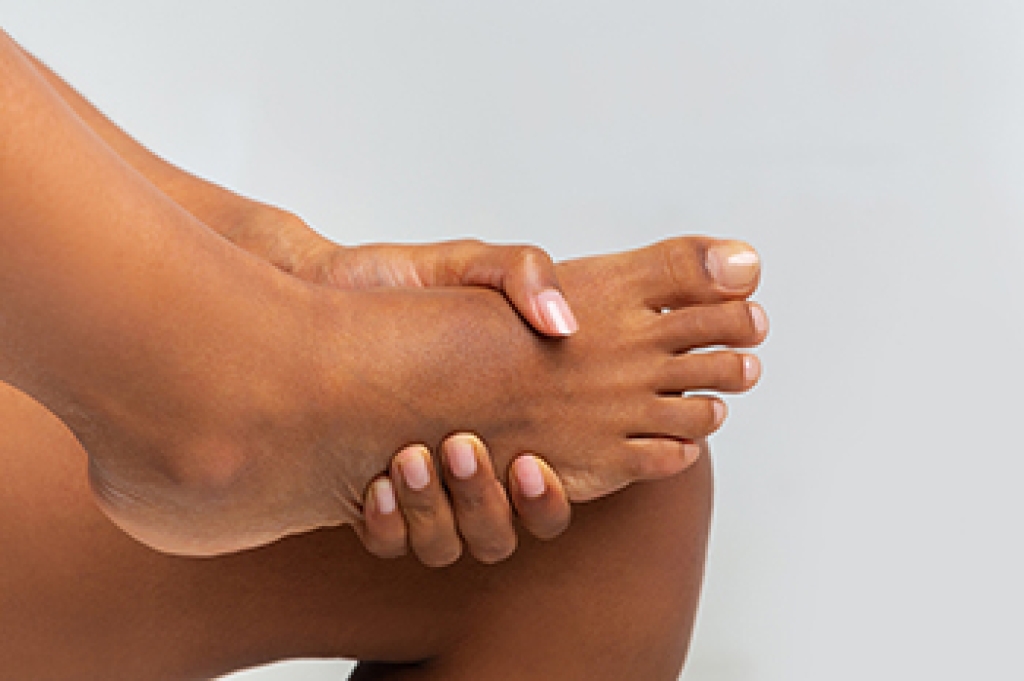
Swollen feet can develop for many reasons and often signal an underlying issue that needs attention. Common causes include prolonged standing, injuries that lead to inflammation, and venous insufficiency where blood struggles to return to the heart. More serious health concerns such as heart or kidney disease can also contribute to fluid buildup in the feet and ankles. Symptoms may include puffiness, tight skin, discomfort, or reduced mobility. A podiatrist can evaluate the cause, provide targeted treatment, and recommend strategies to reduce swelling and improve circulation. If you notice frequent or persistent swelling in your feet, it is suggested that you schedule a visit with a podiatrist for expert care and appropriate relief options.

Swollen feet can be a sign of an underlying condition. If you have any concerns, contact one of our podiatrists of Brondon Foot and Ankle. Our doctors can provide the care you need to keep you pain-free and on your feet.

Swollen feet are a common ailment among pregnant women and people who stand or sit for extended periods. Aging may increase the possibility of swollen feet and patients who are obese often notice when their feet are swelling too. There may be medical reasons why swollen feet occur:

  • Phlebitis - A condition that causes the veins to become inflamed and can also cause leg pain.
  • Liver disease - This may lead to low blood levels of albumin which is a protein. This can cause fluid in the blood to pass into the tissues and several areas of the body can become swollen.
  • Heart failure - When the heart doesn’t pump properly the blood that is normally pumped back to the heart can pool in the veins of the legs causing swollen feet.
  • Kidney disease - One of the main functions of the kidneys is releasing excess fluid in the body. This type of condition can make it difficult for the kidneys to function properly, and as a result the feet may become swollen.
  • Deep-vein thrombosis (DVT)- This is a serious condition where blood clots form in the veins of the legs. They can block the return of blood from the legs to the heart which may cause the feet to swell. It is important to be treated by a podiatrist if this condition is present.

Swollen feet can also be caused by bone and tendon conditions, including fractures, arthritis, and tendinitis. Additionally, there may be skin and toenail conditions and an infection may cause the feet to swell. Patients who take medicine to treat high blood pressure may be prone to getting swollen feet. 

Many patients elevate their feet to help relieve the swelling and this is generally a temporary remedy. When a podiatrist is consulted the reason behind the swelling can be uncovered and subsequently treated.

If you have any questions please contact our office located in Centerville, OH . We offer the newest diagnostic and treatment technologies for all your foot and ankle needs.

Read more about Swelling of the Feet

Foot Stress Fractures Can Be Common Among Runners

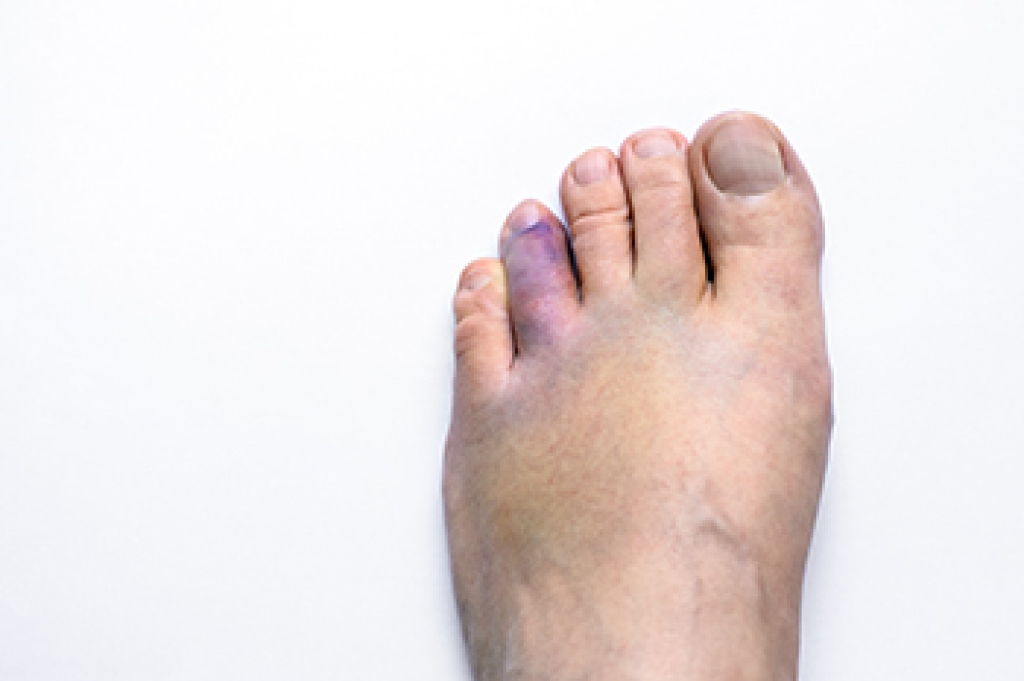
Stress fractures are tiny cracks in bones that develop from repetitive force or overuse, making them a common issue among runners and athletes. They often occur in the weight-bearing bones of the foot where repeated impact can exceed the bone’s ability to repair itself. Symptoms include localized pain that worsens with activity, swelling, tenderness, and difficulty walking. Risk factors include sudden increases in training intensity, wearing improper footwear, poor running mechanics, or low bone density. A podiatrist can evaluate the injury through a physical examination and imaging tests, suggest supportive footwear or custom orthotics, and recommend activity modifications. If you enjoy running and have developed consistent foot pain, it is suggested that you promptly consult a podiatrist who can offer relief, treatment, and prevention tips for foot and ankle injuries.

Activities where too much pressure is put on the feet can cause stress fractures. To learn more, contact one of our podiatrists from Brondon Foot and Ankle. Our doctors can provide the care you need to keep your pain free and on your feet.

Dealing with Stress Fractures of the Foot and Ankle

Stress fractures occur in the foot and ankle when muscles in these areas weaken from too much or too little use.  The feet and ankles then lose support when walking or running from the impact of the ground. Since there is no protection, the bones receive the full impact of each step. Stress on the feet can cause cracks to form in the bones, thus creating stress fractures.

What Are Stress Fractures?

Stress fractures occur frequently in individuals whose daily activities cause great impact on the feet and ankles. Stress factors are most common among:

  • Runners                                
  • People affected with Osteoporosis
  • Tennis or basketball players
  • Gymnasts
  • High impact workouts

Symptoms

Pain from the fractures occur in the area of the fractures and can be constant or intermittent. It will often cause sharp or dull pain with swelling and tenderness. Engaging in any kind of activity which involves high impact will aggravate pain.

If you have any questions please contact our office located in Centerville, OH . We offer the newest diagnostic and treatment technologies for all your foot and ankle needs.

Read more about Dealing with Stress Fractures of the Foot and Ankle

Connect With Us