
Why Aqua Shoes Are Worth Wearing

Aqua shoes are designed to keep your feet safe and comfortable in wet or slippery environments. Their flexible soles grip uneven surfaces, reducing the chance of slipping on rocks, pool decks, or boat ramps. The lightweight, quick-drying materials help prevent blisters and skin irritation while allowing your feet to breathe. Unlike walking barefoot, aqua shoes form a protective barrier against sharp objects, rough sand, or hidden debris beneath the water’s surface. They also limit exposure to bacteria and fungi often found in warm, damp areas like public showers or lakeshores. Because they fit securely without feeling heavy, they make moving through water or transitioning to dry land easier and more comfortable. If you develop foot irritation, cuts, or infections after spending time in or near water, it is suggested that you see a podiatrist for evaluation and appropriate care.

Ankle and foot injuries are common among athletes and in many sports. They can be caused by several problems and may be potentially serious. If you are feeling pain or think you were injured in a sporting event or when exercising, consult with one of our podiatrists from Brondon Foot and Ankle. Our doctors will assess your condition and provide you with quality foot and ankle treatment.

Common Injuries

The most common injuries that occur in sporting activities include:

  • Achilles Tendonitis
  • Achilles Tendon Rupture
  • Ankle Sprains
  • Broken Foot
  • Plantar Fasciitis
  • Stress Fractures
  • Turf Toe

Symptoms

Symptoms vary depending upon the injury and in some cases, there may be no symptoms at all. However, in most cases, some form of symptom is experienced. Pain, aching, burning, bruising, tenderness, tightness or stiffness, sensation loss, difficulty moving, and swelling are the most common symptoms.

Treatment

Just as symptoms vary depending upon the injury, so do treatment options. A common treatment method is known as the RICE method. This method involves rest, applying ice, compression and elevating the afflicted foot or ankle. If the injury appears to be more serious, surgery might be required, such as arthroscopic or reconstructive surgery. Lastly, rehabilitation or therapy might be needed to gain full functionality in the afflicted area. Any discomfort experienced by an athlete must be evaluated by a licensed, reputable medical professional.  

If you have any questions please contact our office located in Centerville, OH . We offer the newest diagnostic and treatment technologies for all your foot and ankle needs.

Read more about Sports Related Foot and Ankle Injuries

Reasons for Medial Foot Pain

Pain on the inner side of the foot, known as medial foot pain, can affect the area from the inside of the heel through the arch to the big toe. A common cause of medial foot pain is posterior tibial tendonitis. This is an irritation of the tendon that helps support the arch and allows you to push off when walking. Stress fractures, which are small cracks in bones such as the navicular or first metatarsal, may also cause this type of pain that often worsens with activity. Plantar fasciitis, an inflammation of the thick band of tissue that runs along the bottom of the foot, may also cause inner heel pain. A podiatrist can identify the source of discomfort and provide the proper treatment. If you have pain in the middle of the foot, it is suggested that you schedule an appointment with a podiatrist who can accurately diagnose and treat this type of foot pain. 

Foot Pain

Foot pain can be extremely painful and debilitating. If you have a foot pain, consult with one of our podiatrists from Brondon Foot and Ankle. Our doctors will assess your condition and provide you with quality foot and ankle treatment.

Causes

Foot pain is a very broad condition that could be caused by one or more ailments. The most common include:

  • Bunions
  • Hammertoes
  • Plantar Fasciitis
  • Bone Spurs
  • Corns
  • Tarsal Tunnel Syndrome
  • Ingrown Toenails
  • Arthritis (such as Gout, Rheumatoid, and Osteoarthritis)
  • Flat Feet
  • Injury (from stress fractures, broken toe, foot, ankle, Achilles tendon ruptures, and sprains)
  • And more

Diagnosis

To figure out the cause of foot pain, podiatrists utilize several different methods. This can range from simple visual inspections and sensation tests to X-rays and MRI scans. Prior medical history, family medical history, and any recent physical traumatic events will all be taken into consideration for a proper diagnosis.

Treatment

Treatment depends upon the cause of the foot pain. Whether it is resting, staying off the foot, or having surgery; podiatrists have a number of treatment options available for foot pain.

If you have any questions, please feel free to contact our office located in Centerville, OH . We offer the newest diagnostic and treatment technologies for all your foot care needs.

Read more about Foot Pain

Gout Pain Can Be Managed

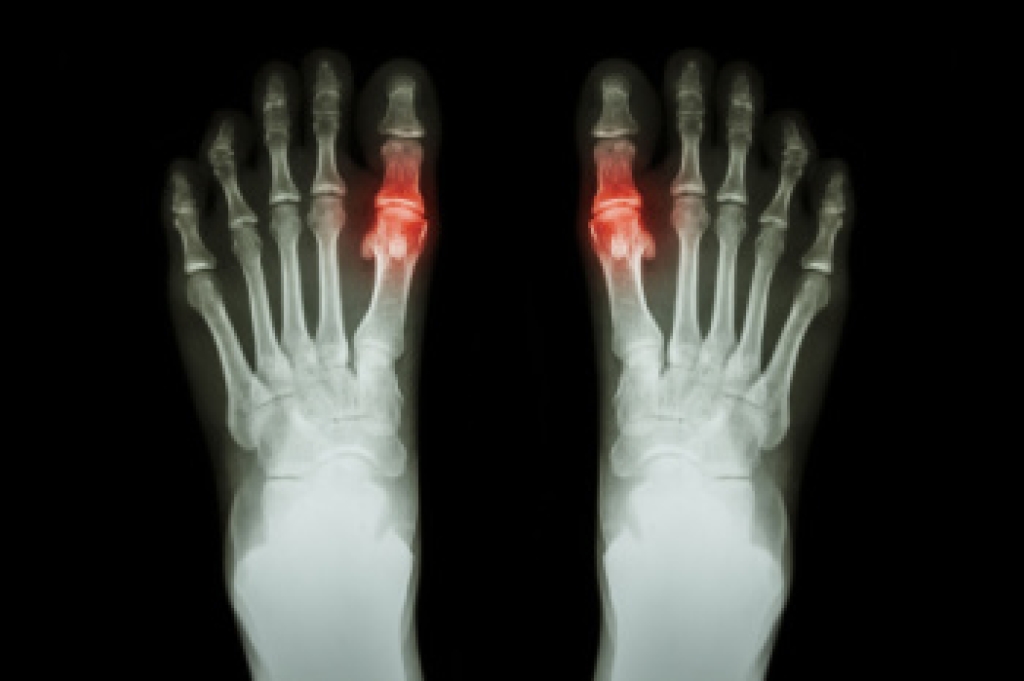
Gout is a painful, inflammatory form of arthritis. Those affected will typically feel an intense stiffness in the joints of their feet, particularly in the big toe. Schedule a visit to learn about how gout can be managed and treated.

Facts About Tarsal Tunnel Syndrome

Tarsal tunnel syndrome is caused by compression of the posterior tibial nerve as it travels through the tarsal tunnel, a narrow passageway in the ankle. This tunnel, similar to the carpal tunnel in the wrist, allows tendons, nerves, and blood vessels to reach the foot. When the nerve is compressed, motor function can be affected, leading to weakness of the intrinsic foot muscles and difficulty with normal movement. Symptoms may include burning, tingling, numbness, or sharp pain along the ankle or bottom of the foot. A podiatrist can diagnose the condition, relieve pressure on the nerve, and improve function through custom orthotics, and targeted treatment. If you have any of the above symptoms, it is suggested that you promptly consult a podiatrist who can offer effective treatment and relief solutions.

Tarsal tunnel syndrome can be very uncomfortable to live with. If you are experiencing tarsal tunnel syndrome, contact one of our podiatrists of Brondon Foot and Ankle. Our doctors can provide the care you need to keep you pain-free and on your feet.

Tarsal Tunnel Syndrome

Tarsal tunnel syndrome, which can also be called tibial nerve dysfunction, is an uncommon condition of misfiring peripheral nerves in the foot. The tibial nerve is the peripheral nerve in the leg responsible for sensation and movement of the foot and calf muscles. In tarsal tunnel syndrome, the tibial nerve is damaged, causing problems with movement and feeling in the foot of the affected leg.

Common Cause of Tarsal Tunnel Syndrome

  • Involves pressure or an injury, direct pressure on the tibial nerve for an extended period of time, sometimes caused by other body structures close by or near the knee.
  • Diseases that damage nerves, including diabetes, may cause tarsal tunnel syndrome.
  • At times, tarsal tunnel syndrome can appear without an obvious cause in some cases.

The Effects of Tarsal Tunnel Syndrome

  • Different sensations, an afflicted person may experience pain, tingling, burning or other unusual sensations in the foot of the affected leg.
  • The foot muscles, toes and ankle become weaker, and curling your toes or flexing your foot can become difficult.
  • If condition worsens, infections and ulcers may develop on the foot that is experiencing the syndrome.

A physical exam of the leg can help identify the presence of tarsal tunnel syndrome. Medical tests, such as a nerve biopsy, are also used to diagnose the condition. Patients may receive physical therapy and prescriptive medication. In extreme cases, some may require surgery.

If you have any questions please contact our office located in Centerville, OH . We offer the newest diagnostic and treatment technologies for all your foot and ankle needs.

Read more about Treating Tarsal Tunnel Syndrome

Approaches for Healing Complex Diabetic Foot Wounds

Diabetic foot wounds can be stubborn and difficult to heal, often requiring more than standard dressings and rest. Advances in care have introduced therapies that improve circulation, encourage new tissue growth, and reduce infection risk. Hyperbaric oxygen therapy is one option that supplies extra oxygen to the tissues, helping speed up repair. Negative pressure wound therapy uses gentle suction to remove fluids and promote blood flow. Skin substitutes and growth factor treatments can also stimulate healing when traditional methods fall short. Each therapy is chosen based on the severity of the wound and the overall health of the patient. The goal is always to restore mobility, prevent infection, and avoid complications that could lead to surgery. If you are living with a complex diabetic foot wound, it is suggested that you schedule a visit with a podiatrist to discuss the best treatment plan for you.

Wound care is an important part in dealing with diabetes. If you have diabetes and a foot wound or would like more information about wound care for diabetics, consult with one of our podiatrists from Brondon Foot and Ankle. Our doctors will assess your condition and provide you with quality foot and ankle treatment.

What Is Wound Care?

Wound care is the practice of taking proper care of a wound. This can range from the smallest to the largest of wounds. While everyone can benefit from proper wound care, it is much more important for diabetics. Diabetics often suffer from poor blood circulation which causes wounds to heal much slower than they would in a non-diabetic. 

What Is the Importance of Wound Care?

While it may not seem apparent with small ulcers on the foot, for diabetics, any size ulcer can become infected. Diabetics often also suffer from neuropathy, or nerve loss. This means they might not even feel when they have an ulcer on their foot. If the wound becomes severely infected, amputation may be necessary. Therefore, it is of the upmost importance to properly care for any and all foot wounds.

How to Care for Wounds

The best way to care for foot wounds is to prevent them. For diabetics, this means daily inspections of the feet for any signs of abnormalities or ulcers. It is also recommended to see a podiatrist several times a year for a foot inspection. If you do have an ulcer, run the wound under water to clear dirt from the wound; then apply antibiotic ointment to the wound and cover with a bandage. Bandages should be changed daily and keeping pressure off the wound is smart. It is advised to see a podiatrist, who can keep an eye on it.

If you have any questions please contact our office located in Centerville, OH . We offer the newest diagnostic and treatment technologies for all your foot and ankle needs.

Read more about Wound Care

Connect With Us