
Exercising a Broken Toe That Has Healed

Dropping a heavy object on your toe, or stubbing it against a piece of furniture, are common reasons to experience a broken toe. Pain is generally the first symptom that is noticed, and it can be difficult to walk. Additionally, many patients notice their toe is swollen and bruised, and it is often painful to wear shoes. The affected foot may feel better when it is elevated, and this can help to diminish a portion of the swelling. As the healing process occurs, it may be beneficial to perform stretches and exercises that can promote rebuilding and strength. Toe curls can be effective in strengthening the toes, in addition to the overall foot. This is done by curling the toes, followed by stretching them back as far as possible. Many patients choose to pick up a towel from the floor with their toes, which can help to strengthen the top of the foot. If you would like to know how to perform additional exercise after a broken toe has healed, please consult with a podiatrist. 

A broken toe can be very painful and lead to complications if not properly fixed. If you have any concerns about your feet, contact one of our podiatrists from Brondon Foot and Ankle. Our doctors will treat your foot and ankle needs.

What to Know About a Broken Toe

Although most people try to avoid foot trauma such as banging, stubbing, or dropping heavy objects on their feet, the unfortunate fact is that it is a common occurrence. Given the fact that toes are positioned in front of the feet, they typically sustain the brunt of such trauma. When trauma occurs to a toe, the result can be a painful break (fracture).

Symptoms of a Broken Toe

  • Throbbing pain
  • Swelling
  • Bruising on the skin and toenail
  • The inability to move the toe
  • Toe appears crooked or disfigured
  • Tingling or numbness in the toe

Generally, it is best to stay off of the injured toe with the affected foot elevated.

Severe toe fractures may be treated with a splint, cast, and in some cases, minor surgery. Due to its position and the pressure it endures with daily activity, future complications can occur if the big toe is not properly treated.

If you have any questions, please feel free to contact our office located in Centerville, OH . We offer the newest diagnostic and treatment technologies for all your foot care needs.

Read more about What to Know About a Broken Toe

Foot Changes During Pregnancy

Foot pain during pregnancy is a common concern as the body goes through physical and hormonal changes. Increased weight places added pressure on the feet, while hormonal shifts can loosen ligaments and affect foot structure. Many women notice their feet have become swollen, achy, or a feeling of heaviness, especially later in the day. Fluid retention may worsen with high sodium intake, while low potassium levels can contribute to cramping. Caffeine may also affect circulation and increase discomfort for some individuals. Over time, these changes can alter walking patterns and strain joints. A podiatrist can evaluate foot alignment, monitor swelling, and recommend supportive treatments such as custom orthotics or footwear guidance to reduce stress on the feet. Proper care can help maintain comfort and mobility throughout pregnancy. If you have foot pain during your pregnancy, it is suggested that you consult a podiatrist who can offer effective relief tips.

Pregnant women with swollen feet can be treated with a variety of different methods that are readily available. For more information about other cures for swollen feet during pregnancy, consult with one of our podiatrists from Brondon Foot and Ankle. Our doctors will attend to all of your foot and ankle needs.

What Foot Problems Can Arise During Pregnancy?

One problem that can occur is overpronation, which occurs when the arch of the foot flattens and tends to roll inward.  This can cause pain and discomfort in your heels while you’re walking or even just standing up, trying to support your baby.  

Another problem is edema, or swelling in the extremities. This often affects the feet during pregnancy but tends to occur in the later stages. 

How Can I Keep My Feet Healthy During Pregnancy?

  • Wearing orthotics can provide extra support for the feet and help distribute weight evenly
  • Minimize the amount of time spent walking barefoot
  • Wear shoes with good arch support
  • Wear shoes that allow for good circulation to the feet
  • Elevate feet if you experience swelling
  • Massage your feet
  • Get regular, light exercise, such as walking, to promote blood circulation to the feet

If you have any questions, please feel free to contact our office located in Centerville, OH . We offer the newest diagnostic and treatment technologies for all your foot care needs.

Read more about Foot Care for Pregnant Women

Red Spots on the Feet

Red spots on the feet can be concerning and may have several causes, including athlete's foot or blisters. Athlete's foot often appears as red, flaky, or scaly patches, sometimes with cracking skin. It is caused by a fungal infection that thrives in warm, moist environments. It may feel itchy, burning, or irritated. Blisters are usually caused by friction from footwear or repetitive movement and may look like raised, fluid filled spots that feel tender, sore, or painful when walking. A podiatrist can help from the start by examining the skin, discussing symptoms, and determining whether the cause is fungal, mechanical, or related to another condition. Treatment may include antifungal medications, protective padding, blister care, or custom orthotics to reduce pressure. Early diagnosis helps prevent worsening symptoms and promotes faster healing and comfort. If you have suspicious red spots on your feet, it is suggested that you schedule an appointment with a podiatrist for effective relief solutions.

Athlete’s foot is an inconvenient condition that can be easily reduced with the proper treatment. If you have any concerns about your feet and ankles, contact one of our podiatrists from Brondon Foot and Ankle.  Our doctors will treat your foot and ankle needs.

Athlete’s Foot: The Sole Story

Athlete's foot, also known as tinea pedis, can be an extremely contagious foot infection. It is commonly contracted in public changing areas and bathrooms, dormitory style living quarters, around locker rooms and public swimming pools, or anywhere your feet often come into contact with other people.

Solutions to Combat Athlete’s Foot

  • Hydrate your feet by using lotion
  • Exfoliate
  • Buff off nails
  • Use of anti-fungal products
  • Examine your feet and visit your doctor if any suspicious blisters or cuts develop

Athlete’s foot can cause many irritating symptoms such as dry and flaking skin, itching, and redness. Some more severe symptoms can include bleeding and cracked skin, intense itching and burning, and even pain when walking. In the worst cases, Athlete’s foot can cause blistering as well. Speak to your podiatrist for a better understanding of the different causes of Athlete’s foot, as well as help in determining which treatment options are best for you.

If you have any questions please feel free to contact our office located in Centerville, OH . We offer the newest diagnostic and treatment technologies for all your foot and ankle needs.
Read more about Athlete's Foot

Lupus Can Lead to Foot Problems

Lupus is a long-term autoimmune condition in which the body’s immune system mistakenly attacks healthy tissue. This leads to inflammation throughout the body, including the feet. The result is joint pain, swelling, and stiffness that make walking uncomfortable. The small joints in the feet and ankles are often involved, which can limit movement and affect completing daily activities. Lupus can also affect blood vessels, leading to poor circulation that causes the toes to feel cold, appear discolored, or become painful as blood flow changes. Skin problems like rashes or slow-healing sores also can develop. In addition, nerve irritation may lead to numbness, tingling, or burning sensations. A podiatrist can assess foot function, evaluate circulation, and test nerve health to address these issues. If you are suffering from foot pain related to lupus, it is suggested that you schedule an appointment with a podiatrist for relief tips and management of this condition. 

When dealing with systemic disease of the feet, it is extremely important to check the affected areas routinely so that any additional problems are caught quickly.  If you have any concerns about your feet and ankles contact one of our podiatrists from Brondon Foot and Ankle. Our doctors will assist you with all of your podiatric needs.

Systemic Diseases of the Feet

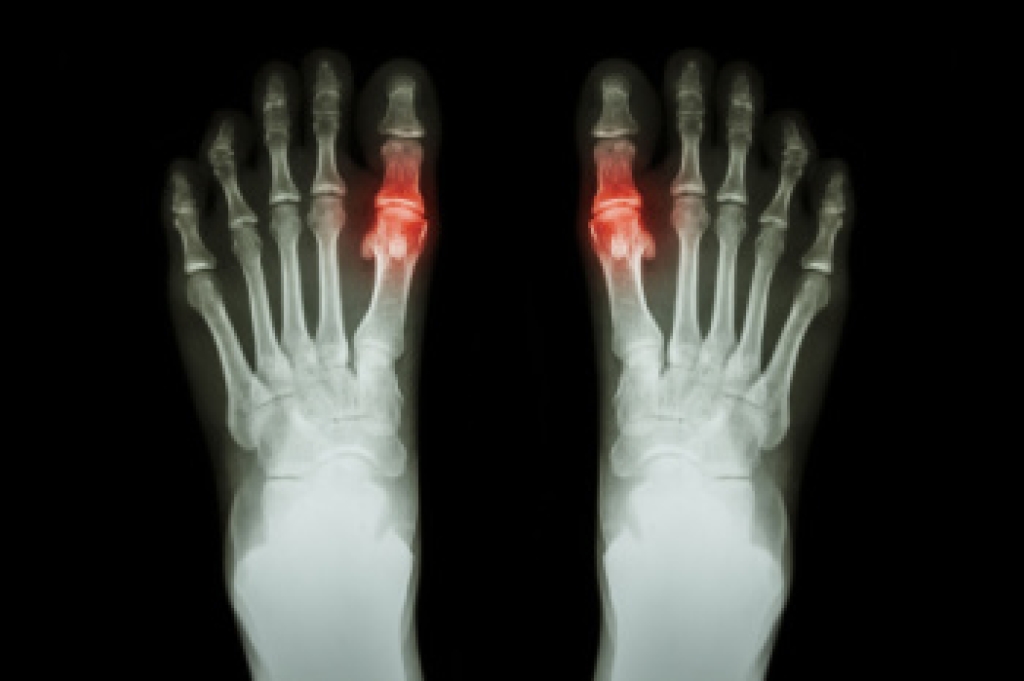
Systemic diseases affect the whole body, and symptoms usually are displayed in the feet. This condition can make a patient’s ability to walk unbearable.  Systemic diseases include gout, diabetes mellitus, neurological disorders, and arthritis.

Gout – is caused by an excess of uric acid in the body. Common symptoms include pain, inflammation, and redness at the metatarsal/phalangeal joint of the base big toe. Gout can be treated by NSAIDs to relieve pain and inflammation, and other drugs that lower the acid levels in the body.

Diabetes mellitus – is an increase in the level of blood sugar that the body cannot counteract with its own insulin. Failure to produce enough insulin is a factor in Diabetes.

Diabetes of the Feet

Diabetic Neuropathy – may lead to damaged nerves and affect the feet through numbness and loss of sensation.

Peripheral Vascular Disease – can restrict the blood flow to the feet, and often times lead to amputation of the feet. 

If you have any questions please contact our office located in Centerville, OH . We offer the newest diagnostic and treatment technologies for all your foot and ankle needs.

Read more about Systemic Diseases of the Foot

Keep Your Feet Healthy So You Can Stay Active

Have your feet inspected by a professional before starting a new sport or physical activity. Taking charge of your foot health will keep you in good physical condition and can help you avoid a potential injury, such as a fracture or sprained ankle.

Prevent injuries and see a foot specialist.

Connect With Us