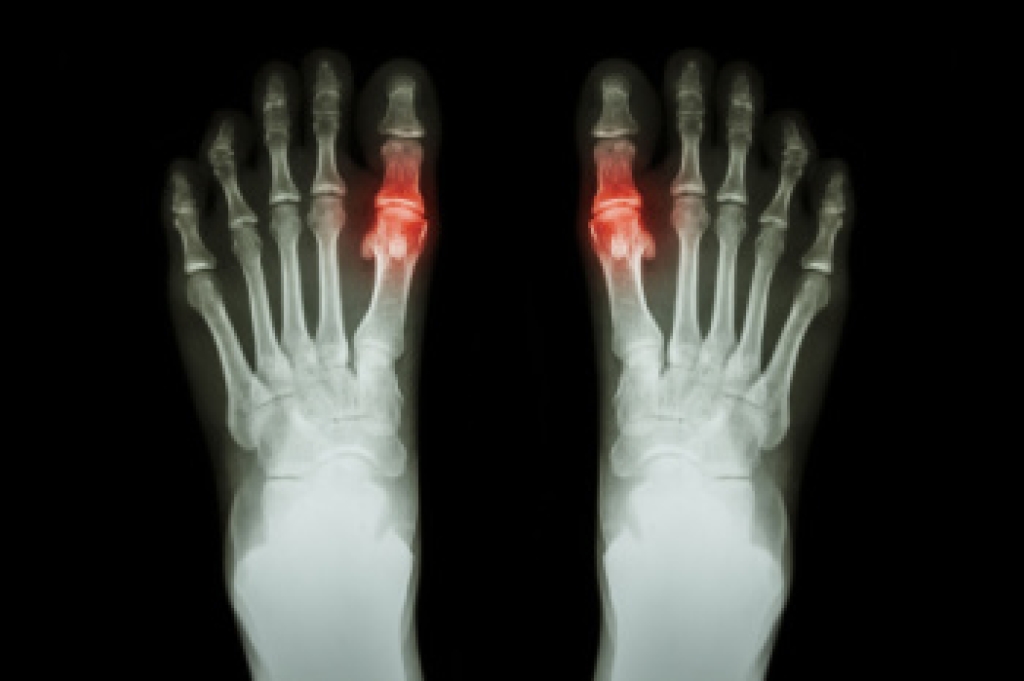
Distinguishing Rheumatoid Arthritis From Gout in Foot Health

Rheumatoid arthritis and gout are two distinct forms of arthritis that frequently affect the feet, yet they differ significantly in origin and presentation. Rheumatoid arthritis, or RA, is an autoimmune disorder that leads to chronic inflammation in multiple joints, including those in the feet. Gout is caused by the accumulation of uric acid crystals within a joint, often triggered by dietary and metabolic factors. Both conditions fall under the category of inflammatory arthritis, but their underlying causes and long term management strategies vary.

Symptoms of rheumatoid arthritis often develop gradually and include persistent joint pain, swelling, and stiffness that is worse in the morning or after periods of rest. It typically affects both sides of the body. Gout symptoms tend to appear suddenly, often at night, with severe pain, redness, and swelling in a single joint, commonly the big toe. The intensity of a gout attack can be debilitating, while rheumatoid arthritis may lead to progressive joint deformity if not managed properly. Genetics play a strong role in rheumatoid arthritis, along with environmental triggers that may activate the immune system. Risk factors also include age and gender, with women more frequently affected. Gout is associated with elevated uric acid levels, often linked to diet, alcohol consumption, obesity, and certain medications. Conditions such as hypertension and kidney disease may also increase the risk of gout. Understanding these risk factors allows patients to take proactive steps in managing their condition.


Management of rheumatoid arthritis typically involves long-term medication to control inflammation and prevent joint damage. Gout treatment includes both medication and lifestyle modifications, such as reducing purine rich foods and maintaining proper hydration. Identifying the correct condition is essential for effective care. If you have symptoms of either type of arthritis affecting your feet, it is suggested that you are under the care of a podiatrist for effective relief and management solutions.

Arthritis can be a difficult condition to live with. If you are seeking treatment, contact one of our podiatrists from Brondon Foot and Ankle. Our doctors can provide the care you need to keep you pain-free and on your feet.

Arthritic Foot Care  

Arthritis is a joint disorder that involves the inflammation of different joints in your body, such as those in your feet. Arthritis is often caused by a degenerative joint disease and causes mild to severe pain in all affected areas. In addition to this, swelling and stiffness in the affected joints can also be a common symptom of arthritis.

In many cases, wearing ill-fitting shoes can worsen the effects and pain of arthritis. Wearing shoes that have a lower heel and extra room can help your feet feel more comfortable. In cases of rheumatoid arthritis, the arch in your foot may become problematic. Buying shoes with proper arch support that contour to your feet can help immensely.

Alleviating Arthritic Pain

  • Exercises that stretch the foot can prevent further pain and injury and increase mobility
  • Most of the pain can be alleviated with anti-inflammatory drugs, heat, and topical medications
  • Massages can help temporarily alleviate pain.

It is best to see your doctor for the treatment that is right for your needs and symptoms. Conditions vary, and a podiatrist can help you determine the right method of care for your feet.

If you have any questions please feel free to contact our office located in Centerville, OH . We offer the newest diagnostic tools and technology to treat your foot and ankle needs.

Read more about Arthritic Foot Care

Is Ankle Fusion Surgery the Right Answer?

Deciding on ankle fusion surgery is a major step for people who live with severe ankle pain that affects daily activities. This procedure is usually considered when other forms of treatment no longer provide enough relief. Ankle fusion surgery joins two or more bones in the ankle so they heal into one solid structure. By preventing painful movement in the joint, the surgery can reduce discomfort and improve stability. People with advanced arthritis, serious ankle injuries, or long-term joint damage are often candidates for this procedure. A podiatrist can evaluate the condition of the ankle, review symptoms, and determine whether surgery is an appropriate option. Careful testing and imaging studies help identify the extent of joint damage and guide treatment decisions.

One of the main benefits of ankle fusion surgery is long-lasting pain relief. Many patients find it easier to stand, walk, and complete daily tasks after recovery. The procedure can also improve ankle stability and reduce the risk of the joint giving way. However, ankle fusion limits movement because the bones no longer bend at the fused area. Some people notice changes in the way they walk. Others place more stress on nearby joints. A podiatrist can explain how these changes might affect specific activities. Understanding both the advantages and possible drawbacks helps patients make informed decisions about surgery. 

The decision to undergo ankle fusion surgery depends on several factors. These include pain severity, joint damage, and personal activity goals. Age and overall health are also important considerations. A podiatrist will discuss expected results, recovery time, and potential risks before recommending surgery. The goal is to improve quality of life while reducing chronic pain. Every patient is different, so treatment plans should be based on individual needs and medical findings. If you have severe or chronic ankle pain, it is suggested that you schedule an appointment with a podiatrist to find out if fusion surgery is right for you.

Ankle pain can be caused by a number of problems and may be potentially serious. If you have ankle pain, consult with one of our podiatrists from Brondon Foot and Ankle. Our doctors will assess your condition and provide you with quality foot and ankle treatment.

Ankle pain is any condition that causes pain in the ankle. Due to the fact that the ankle consists of tendons, muscles, bones, and ligaments, ankle pain can come from a number of different conditions.

Causes

The most common causes of ankle pain include:

  • Types of arthritis (rheumatoid, osteoarthritis, and gout)
  • Ankle sprains
  • Broken ankles
  • Achilles tendonitis
  • Achilles tendon rupture
  • Stress fractures
  • Bursitis
  • Tarsal tunnel syndrome
  • Plantar fasciitis

Symptoms

Symptoms of ankle injury vary based upon the condition. Pain may include general pain and discomfort, swelling, aching, redness, bruising, burning or stabbing sensations, and/or loss of sensation.

Diagnosis

Due to the wide variety of potential causes of ankle pain, podiatrists will utilize a number of different methods to properly diagnose ankle pain. This can include asking for personal and family medical histories and of any recent injuries. Further diagnosis may include sensation tests, a physical examination, and potentially x-rays or other imaging tests.

Treatment

Just as the range of causes varies widely, so do treatments. Some more common treatments are rest, ice packs, keeping pressure off the foot, orthotics and braces, medication for inflammation and pain, and surgery.

If you have any questions please feel free to contact our office located in Centerville, OH . We offer the newest diagnostic tools and technology to treat your foot and ankle needs.

Read more about Ankle Pain

We Can Treat Your Foot or Ankle Pain

Foot or ankle pain can negatively affect your day-to-day life and can occur due to several different conditions. Pain can also be an indicator of a more serious underlying condition, which is why you should seek professional help as soon as you notice any abnormalities in your feet.

How Ingrown Toenails Progress

An ingrown toenail can begin as a minor annoyance, but become much more uncomfortable if it continues to worsen. In the earliest phase, the skin along the nail edge may become tender, swollen, and red as the nail presses into nearby tissue. If the irritation continues, the area may become increasingly sore and start to produce drainage, which can signal infection or ongoing inflammation. In more advanced cases, excess tissue may develop around the nail border as the body reacts to the repeated irritation, making the toe appear swollen and overgrown in that area. Because symptoms can progress in clear stages, early evaluation can make treatment simpler and more effective. A podiatrist can assess how far the condition has advanced and recommend appropriate care, which may range from conservative treatment to a minor procedure for stubborn cases. If you have a painful or worsening ingrown toenail, it is strongly suggested that you visit a podiatrist for appropriate treatment solutions.

Ingrown toenails can become painful if they are not treated properly. For more information about ingrown toenails, contact one of our podiatrists of Brondon Foot and Ankle. Our doctors can provide the care you need to keep you pain-free and on your feet.

Ingrown Toenails

Ingrown toenails occur when a toenail grows sideways into the bed of the nail, causing pain, swelling, and possibly infection.

Causes

  • Bacterial infections
  • Improper nail cutting such as cutting it too short or not straight across
  • Trauma to the toe, such as stubbing, which causes the nail to grow back irregularly
  • Ill-fitting shoes that bunch the toes too close together
  • Genetic predisposition

Prevention

Wearing proper fitting shoes and using proper cutting techniques will also help decrease your risk of developing ingrown toenails.

Treatment

Ingrown toenails are a very treatable foot condition. In minor cases, soaking the affected area in salt or antibacterial soaps will not only help with the ingrown nail itself, but also help prevent any infections from occurring. In more severe cases, surgery is an option. In either case, speaking to your podiatrist about this condition will help you get a better understanding of specific treatment options that are right for you.

If you have any questions, please feel free to contact our office located in Centerville, OH . We offer the newest diagnostic and treatment technologies for all your foot care needs.

Read more about Ingrown Toenail Care

Exercising a Broken Toe That Has Healed

Dropping a heavy object on your toe, or stubbing it against a piece of furniture, are common reasons to experience a broken toe. Pain is generally the first symptom that is noticed, and it can be difficult to walk. Additionally, many patients notice their toe is swollen and bruised, and it is often painful to wear shoes. The affected foot may feel better when it is elevated, and this can help to diminish a portion of the swelling. As the healing process occurs, it may be beneficial to perform stretches and exercises that can promote rebuilding and strength. Toe curls can be effective in strengthening the toes, in addition to the overall foot. This is done by curling the toes, followed by stretching them back as far as possible. Many patients choose to pick up a towel from the floor with their toes, which can help to strengthen the top of the foot. If you would like to know how to perform additional exercise after a broken toe has healed, please consult with a podiatrist. 

A broken toe can be very painful and lead to complications if not properly fixed. If you have any concerns about your feet, contact one of our podiatrists from Brondon Foot and Ankle. Our doctors will treat your foot and ankle needs.

What to Know About a Broken Toe

Although most people try to avoid foot trauma such as banging, stubbing, or dropping heavy objects on their feet, the unfortunate fact is that it is a common occurrence. Given the fact that toes are positioned in front of the feet, they typically sustain the brunt of such trauma. When trauma occurs to a toe, the result can be a painful break (fracture).

Symptoms of a Broken Toe

  • Throbbing pain
  • Swelling
  • Bruising on the skin and toenail
  • The inability to move the toe
  • Toe appears crooked or disfigured
  • Tingling or numbness in the toe

Generally, it is best to stay off of the injured toe with the affected foot elevated.

Severe toe fractures may be treated with a splint, cast, and in some cases, minor surgery. Due to its position and the pressure it endures with daily activity, future complications can occur if the big toe is not properly treated.

If you have any questions, please feel free to contact our office located in Centerville, OH . We offer the newest diagnostic and treatment technologies for all your foot care needs.

Read more about What to Know About a Broken Toe

Connect With Us