
Your feet are covered most of the day. If you're diabetic, periodic screening is important for good health. Numbness is often a sign of diabetic foot and can mask a sore or wound.
Your feet are covered most of the day. If you're diabetic, periodic screening is important for good health. Numbness is often a sign of diabetic foot and can mask a sore or wound.

Fall prevention is important because a sudden slip or trip can cause more than a bruise. Falls may lead to foot and ankle injuries, including sprains and tendon strains. Pain, swelling, and difficulty walking are common symptoms after an injury. Keeping walking areas clear and well lit can make a meaningful difference.
Foot problems after a fall can range from soreness to injuries requiring medical attention. A twisted ankle can stretch ligaments, while a hard landing may fracture a bone. Workers may be vulnerable when floors are wet or cluttered. Employers should provide safe, clean environments for workers and address hazards promptly. Guard rails and sturdy railing should be available near stairs, ramps, and other areas where extra support is needed.
Preventing falls starts with practical safety habits. Wear properly-fitted shoes with supportive soles and avoid slippery surfaces whenever possible. Keep walkways free from cords, boxes, and other obstacles. Use guard rails when climbing stairs and hold the railing for added stability. Workers should follow workplace safety procedures and report unsafe conditions. Regular foot care can also help people recognize pain or weakness that could affect balance. A careful approach can help prevent avoidable falls and protect healthy movement at home or work. Planning ahead can also help reduce stress and prevent rushed movements every day.
If you fall and injure your foot or ankle, a podiatrist can evaluate the injury and determine appropriate treatment. The examination may include checking swelling, tenderness, and the ability to bear weight. X-rays may be recommended when a fracture is suspected. Treatment can include immobilization or supportive footwear based on the injury. Follow-up visits help monitor healing. If you have incurred a foot or ankle injury from falling, it is suggested that you consult a podiatrist for an accurate diagnosis and appropriate treatment.
Preventing falls among the elderly is very important. If you are older and have fallen or fear that you are prone to falling, consult with one of our podiatrists from Brondon Foot and Ankle. Our doctors will assess your condition and provide you with quality advice and care.
Every 11 seconds, an elderly American is being treated in an emergency room for a fall related injury. Falls are the leading cause of head and hip injuries for those 65 and older. Due to decreases in strength, balance, senses, and lack of awareness, elderly persons are very susceptible to falling. Thankfully, there are a number of things older persons can do to prevent falls.
How to Prevent Falls
Some effective methods that older persons can do to prevent falls include:
Falling can be a traumatic and embarrassing experience for elderly persons; this can make them less willing to leave the house, and less willing to talk to someone about their fears of falling. Doing such things, however, will increase the likelihood of tripping or losing one’s balance. Knowing the causes of falling and how to prevent them is the best way to mitigate the risk of serious injury.
If you have any questions, please feel free to contact our office located in Centerville, OH . We offer the newest diagnostic and treatment technologies for all your foot care needs.

Foot deformities change the shape or alignment of the feet and can affect comfort, balance, and movement. Some people are born with them, while others develop them because of injuries, diseases, or wearing tight shoes. Genetics also plays an important role. Many feet have small differences that never cause symptoms. Others, however, become painful and make standing, walking, or fitting into shoes much harder. When foot bones, joints, and supporting tissues lose their normal position, pressure changes across the foot. This can lead to calluses, toe changes, and ongoing discomfort.
Several types of foot deformities affect daily life in different ways. Flat feet allow more of the sole to touch the ground, while high-arched feet place extra pressure on the ball of the foot. Splayfoot widens the front of the foot and increases stress across the forefoot. Bunions and hammertoes can also develop as the foot changes shape. Adults are more likely to notice pain, swelling, and difficulty walking when a deformity becomes more severe. Changes in foot alignment can also place extra stress on the knees, hips, and lower back. Some children appear to have flat or inward-leaning feet while they are growing, yet their feet reach a normal position as they mature.
A podiatrist carefully examines the feet to identify the type of deformity and determine how it affects movement. X-rays or other imaging tests help show changes in the bones and joints. Treatment includes custom orthotics that improve foot support, padding that reduces pressure, and recommendations for shoes that provide proper support. A podiatrist also monitors changes in the feet and explains whether surgery is the best choice for deformities that limit walking or cause lasting pain. Early evaluation helps protect foot function and improve comfort. If you have a painful or problematic foot deformity, it is suggested that you schedule an appointment with a podiatrist for a diagnosis and appropriate treatment.
Foot Pain
Foot pain can be extremely painful and debilitating. If you have a foot pain, consult with one of our podiatrists from Brondon Foot and Ankle. Our doctors will assess your condition and provide you with quality foot and ankle treatment.
Causes
Foot pain is a very broad condition that could be caused by one or more ailments. The most common include:
Diagnosis
To figure out the cause of foot pain, podiatrists utilize several different methods. This can range from simple visual inspections and sensation tests to X-rays and MRI scans. Prior medical history, family medical history, and any recent physical traumatic events will all be taken into consideration for a proper diagnosis.
Treatment
Treatment depends upon the cause of the foot pain. Whether it is resting, staying off the foot, or having surgery; podiatrists have a number of treatment options available for foot pain.
If you have any questions, please feel free to contact our office located in Centerville, OH . We offer the newest diagnostic and treatment technologies for all your foot care needs.

An ankle sprain occurs when ligaments in the ankle are stretched or torn beyond their normal limits. Volleyball players risk this injury because jumping, landing, and changing direction place sudden stress on the ankle. Symptoms may include pain, swelling, and difficulty bearing weight. Risk factors include previous ankle injuries, poor balance, and awkward landings.
Volleyball ankle sprains commonly happen when a player lands on another player’s foot, rolls the ankle while moving, or loses balance while changing direction. A first-degree sprain is mild and involves ligament stretching with minor damage. Pain and swelling are usually limited, and walking may remain possible. A second-degree sprain involves a partial ligament tear, causing pain, swelling, and difficulty walking. A third-degree sprain is the most severe, involving a complete ligament tear. It may cause severe swelling, bruising, and an inability to bear weight.
A podiatrist can evaluate the ankle by reviewing how the injury occurred and checking swelling, movement, and stability. X-rays or imaging tests may be recommended if a fracture is suspected. Treatment depends on the sprain grade and may include rest from volleyball and compression, followed by gradual activity. Severe injuries may require bracing or temporary immobilization.
Preventing another ankle sprain matters because a previous injury can increase the risk of chronic instability. Players should return to volleyball gradually and follow rehabilitation instructions instead of rushing back when pain improves. Supportive volleyball shoes and balance exercises may help protect the ankle. Persistent pain or instability should receive professional attention after a landing injury. If you have sprained your ankle while playing volleyball, it is suggested that you consult a podiatrist for effective relief and treatment solutions.
Sports related foot and ankle injuries require proper treatment before players can go back to their regular routines. For more information, contact one of our podiatrists of Brondon Foot and Ankle. Our doctors can provide the care you need to keep you pain-free and on your feet.
Sports Related Foot and Ankle Injuries
Foot and ankle injuries are a common occurrence when it comes to athletes of any sport. While many athletes dismiss the initial aches and pains, the truth is that ignoring potential foot and ankle injuries can lead to serious problems. As athletes continue to place pressure and strain the area further, a mild injury can turn into something as serious as a rupture and may lead to a permanent disability. There are many factors that contribute to sports related foot and ankle injuries, which include failure to warm up properly, not providing support or wearing bad footwear. Common injuries and conditions athletes face, including:
Sports related injuries are commonly treated using the RICE method. This includes rest, applying ice to the injured area, compression and elevating the ankle. More serious sprains and injuries may require surgery, which could include arthroscopic and reconstructive surgery. Rehabilitation and therapy may also be required in order to get any recovering athlete to become fully functional again. Any unusual aches and pains an athlete sustains must be evaluated by a licensed, reputable medical professional.
If you have any questions please contact our office located in Centerville, OH . We offer the newest diagnostic and treatment technologies for all your foot and ankle needs.
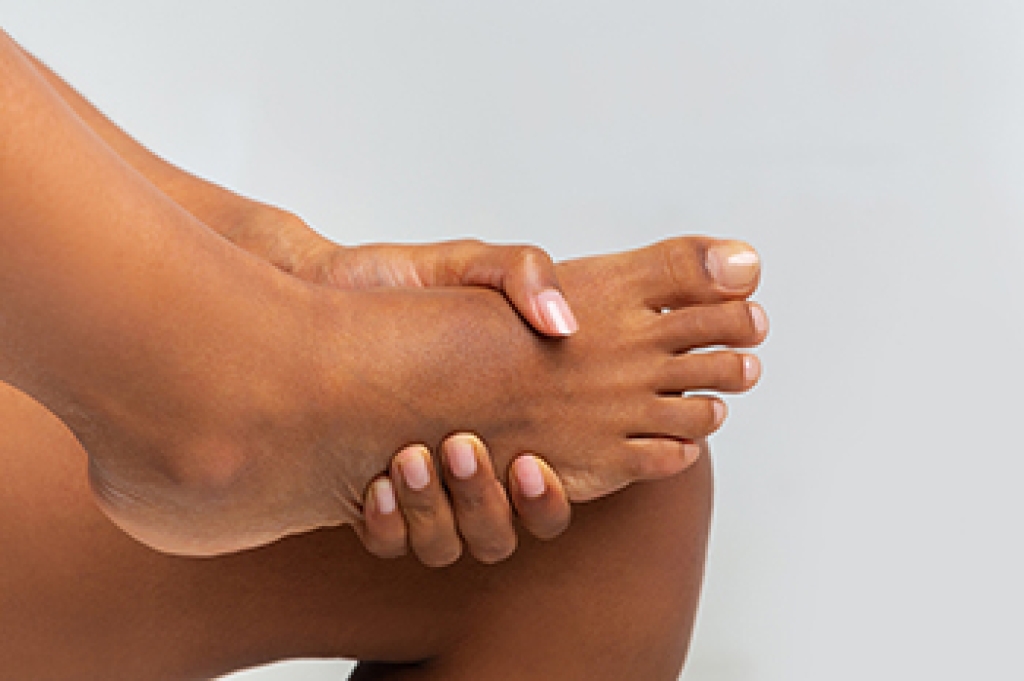
Foot pain can affect people of all ages and make everyday activities more difficult. Because each foot contains many bones, joints, muscles, and ligaments, discomfort can develop from a wide range of problems. Pain may appear suddenly after an injury or develop gradually because of repeated stress on the feet. Common causes include plantar fasciitis, arthritis, and tendon injuries. Bunions, nerve problems, and stress fractures may also contribute to ongoing discomfort. Foot pain can interfere with walking, standing, and exercise, which may reduce overall mobility and quality of life. Since many conditions produce similar symptoms, a professional evaluation is important to determine the cause and recommend the most appropriate treatment. Early podiatry care may also help prevent minor problems from becoming more serious.
Symptoms vary depending on the underlying condition and the part of the foot involved. Many people experience aching, swelling, or stiffness that limits normal movement. Others notice burning pain or tenderness that becomes worse during daily activities. Some conditions cause pain in the heel, while others affect the arch or the ball of the foot. Changes in foot structure or walking patterns may place additional stress on surrounding tissues, leading to discomfort in other areas of the foot and ankle. Persistent foot pain should not be ignored because untreated problems may affect balance, mobility, and overall foot function. Identifying the source of pain early allows treatment to begin before symptoms continue to progress.
A podiatrist specializes in diagnosing and treating foot pain by identifying the underlying cause of discomfort and creating an individualized treatment plan. During an examination, the podiatrist evaluates foot structure, joint function, and walking mechanics to determine what is contributing to the symptoms. Treatment focuses on reducing pain, improving mobility, and restoring healthy foot function. Early podiatry care may also help patients remain active and reduce the risk of long-term complications. If you are experiencing ongoing foot pain or difficulty walking, it is suggested that you consult a podiatrist for an evaluation and appropriate treatment options.
Everyday foot care is very important to prevent infection and other foot ailments. If you need your feet checked, contact one of our podiatrists from Brondon Foot and Ankle. Our doctors can provide the care you need to keep you pain-free and on your feet.
Everyday Foot Care
Often, people take care of their bodies, face and hair more so than they do for their feet. But the feet are a very important aspect of our bodies, and one that we should pay more attention to. Without our feet, we would not be able to perform most daily tasks.
It is best to check your feet regularly to make sure there are no new bruises or cuts that you may not have noticed before. For dry feet, moisturizer can easily be a remedy and can be applied as often as necessary to the affected areas. Wearing shoes that fit well can also help you maintain good foot health, as well as making it easier to walk and do daily activities without the stress or pain of ill-fitting shoes, high heels, or even flip flops. Wearing clean socks with closed shoes is important to ensure that sweat and bacteria do not accumulate within the shoe. Clean socks help to prevent Athlete’s foot, fungi problems, bad odors, and can absorb sweat.
If you have any questions, please feel free to contact our office located in Centerville, OH . We offer the newest diagnostic and treatment technologies for all your foot care needs.
Connect With Us
