
Lupus Can Lead to Foot Problems

Lupus is a long-term autoimmune condition in which the body’s immune system mistakenly attacks healthy tissue. This leads to inflammation throughout the body, including the feet. The result is joint pain, swelling, and stiffness that make walking uncomfortable. The small joints in the feet and ankles are often involved, which can limit movement and affect completing daily activities. Lupus can also affect blood vessels, leading to poor circulation that causes the toes to feel cold, appear discolored, or become painful as blood flow changes. Skin problems like rashes or slow-healing sores also can develop. In addition, nerve irritation may lead to numbness, tingling, or burning sensations. A podiatrist can assess foot function, evaluate circulation, and test nerve health to address these issues. If you are suffering from foot pain related to lupus, it is suggested that you schedule an appointment with a podiatrist for relief tips and management of this condition. 

When dealing with systemic disease of the feet, it is extremely important to check the affected areas routinely so that any additional problems are caught quickly.  If you have any concerns about your feet and ankles contact one of our podiatrists from Brondon Foot and Ankle. Our doctors will assist you with all of your podiatric needs.

Systemic Diseases of the Feet

Systemic diseases affect the whole body, and symptoms usually are displayed in the feet. This condition can make a patient’s ability to walk unbearable.  Systemic diseases include gout, diabetes mellitus, neurological disorders, and arthritis.

Gout – is caused by an excess of uric acid in the body. Common symptoms include pain, inflammation, and redness at the metatarsal/phalangeal joint of the base big toe. Gout can be treated by NSAIDs to relieve pain and inflammation, and other drugs that lower the acid levels in the body.

Diabetes mellitus – is an increase in the level of blood sugar that the body cannot counteract with its own insulin. Failure to produce enough insulin is a factor in Diabetes.

Diabetes of the Feet

Diabetic Neuropathy – may lead to damaged nerves and affect the feet through numbness and loss of sensation.

Peripheral Vascular Disease – can restrict the blood flow to the feet, and often times lead to amputation of the feet. 

If you have any questions please contact our office located in Centerville, OH . We offer the newest diagnostic and treatment technologies for all your foot and ankle needs.

Read more about Systemic Diseases of the Foot

Keep Your Feet Healthy So You Can Stay Active

Have your feet inspected by a professional before starting a new sport or physical activity. Taking charge of your foot health will keep you in good physical condition and can help you avoid a potential injury, such as a fracture or sprained ankle.

Prevent injuries and see a foot specialist.

Explaining Tennis Toe

Tennis toe is a painful condition that affects the toenail after repeated impact on the front of the shoe. It happens in sports like tennis that involve stops, pivots, or running. The injury causes bleeding under the toenail, causing a red or black discoloration. This trapped blood is called a subungual hematoma, which means a collection of blood beneath the nail. The big toe is most often involved. Symptoms include pressure, throbbing pain, and tenderness in the toe. Eventually, the nail thickens, loosens, or falls off as a new one grows in. A podiatrist can examine the toe, relieve pressure, and check for nail damage or infection. Imaging helps to rule out deeper injury. If you have discoloration in the toenails, it is suggested that you make an appointment with a podiatrist for treatment.

Toe pain can disrupt your daily activities. If you have any concerns, contact one of our podiatrists of Brondon Foot and Ankle. Our doctors can provide the care you need to keep you pain-free and on your feet.

What Causes Toe Pain?

Most severe toe pain is caused due to a sports injury, trauma from dropping something heavy on the toe, or bumping into something rigid. Other problems can develop over time for various reasons.

Toe pain can be caused by one or more ailments. The most common include:

  • Trauma
  • Sports injury
  • Wearing shoes that are too tight
  • Arthritis
  • Gout
  • Corns and calluses
  • Hammertoe
  • Bunions
  • Blisters
  • Ingrown toenails
  • Sprains
  • Fractures (broken bones)
  • Dislocations

When to See a Podiatrist

  • Severe pain
  • Persistent pain that lasts more than a week
  • Signs of infection
  • Continued swelling
  • Pain that prevents walking

Diagnosis

In many cases the cause of toe pain is obvious, but in others, a podiatrist may want to use more advanced methods to determine the problem. These can range from simple visual inspections and sensation tests to X-rays and MRI scans. Prior medical history, family medical history, and any recent physical traumatic events will all be taken into consideration for a proper diagnosis.

Treatment

Treatments for toe pain and injuries vary and may include shoe inserts, padding, taping, medicines, injections, and in some cases, surgery. If you believe that you have broken a toe, please see a podiatrist as soon as possible.

If you have any questions please contact our office located in Centerville, OH . We offer the newest diagnostic and treatment technologies for all your foot and ankle needs.

Read more about Toe Pain

Stretches to Ease Heel Pain From Plantar Fasciitis

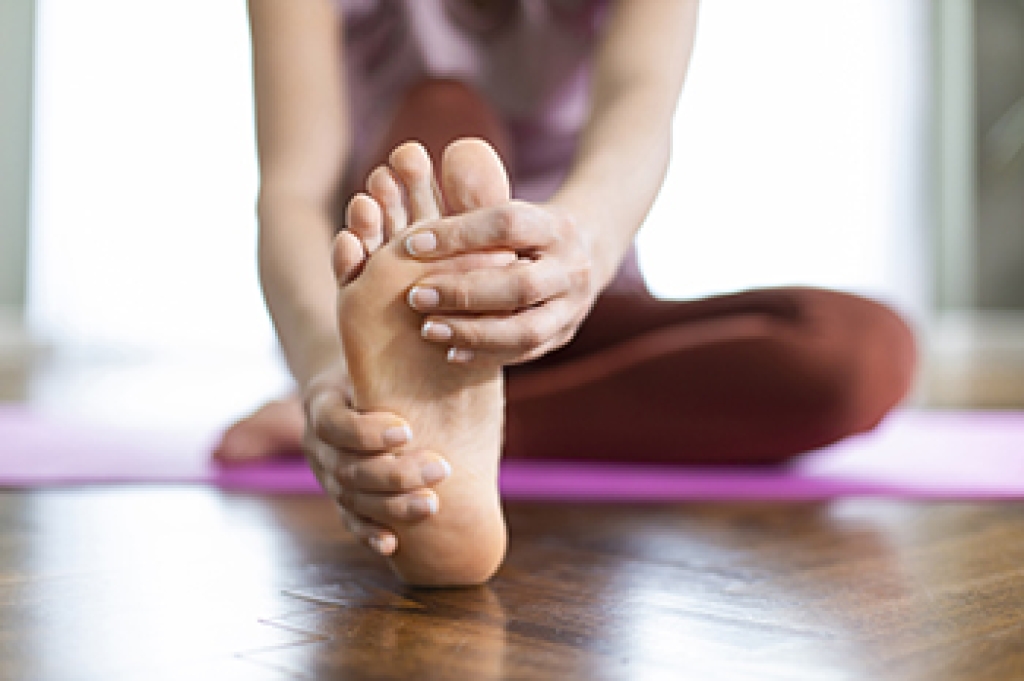
Plantar fasciitis is a frequent cause of heel pain that develops when the thick band of tissue under the foot becomes strained. Repetitive impact from running, long hours on hard surfaces, or tight calf muscles can lead to small tears, swelling, and pain. A podiatrist can recommend specific exercises to reduce tension and improve flexibility. Among them are calf stretches performed against a wall to loosen the large muscles in the back of the lower leg. Big toe stretches that gently pull the toe upward to lengthen the plantar fascia also help. In addition, towel-assisted or resistance-band stretches can help improve ankle motion. A podiatrist may also prescribe orthotics, taping, and footwear guidance to support healing. If you are experiencing heel pain from plantar fasciitis, it is suggested that you make an appointment with a podiatrist for a diagnosis and treatment options.

Many people suffer from bouts of heel pain. For more information, contact one of our podiatrists of Brondon Foot and Ankle. Our doctors can provide the care you need to keep you pain-free and on your feet.

Causes of Heel Pain

Heel pain is often associated with plantar fasciitis. The plantar fascia is a band of tissues that extends along the bottom of the foot. A rip or tear in this ligament can cause inflammation of the tissue.

Achilles tendonitis is another cause of heel pain. Inflammation of the Achilles tendon will cause pain from fractures and muscle tearing. Lack of flexibility is also another symptom.

Heel spurs are another cause of pain. When the tissues of the plantar fascia undergo a great deal of stress, it can lead to ligament separation from the heel bone, causing heel spurs.

Why Might Heel Pain Occur?

  • Wearing ill-fitting shoes                
  • Wearing non-supportive shoes
  • Weight change           
  • Excessive running

Treatments

Heel pain should be treated as soon as possible for immediate results. Keeping your feet in a stress-free environment will help. If you suffer from Achilles tendonitis or plantar fasciitis, applying ice will reduce the swelling. Stretching before an exercise like running will help the muscles. Using all these tips will help make heel pain a condition of the past.

If you have any questions, please feel free to contact our office located in Centerville, OH . We offer the newest diagnostic and treatment technologies for all your foot care needs.

Read more about Heel Pain

When Your Child’s Feet Turn Inward

When a child’s feet turn inward while walking, this is called in-toeing. It often happens because the bones in the leg are slightly rotated, causing the toes to point inward instead of straight ahead. This is common in toddlers and young children, and is often part of normal growth. Some children may trip more often, while others have no pain or trouble staying active. In-toeing can come from the shin bone, called the tibia, or the thigh bone, called the femur, turning inward. A podiatrist can examine how your child walks, check foot and leg alignment, and determine if the condition is likely to improve with growth or if further care is needed. In rare cases, imaging or surgery may be discussed if the problem is severe. If your child is in-toeing, it is suggested that you schedule an appointment with a podiatrist for a diagnosis, appropriate treatment, and effective management of this condition.

Making sure that your children maintain good foot health is very important as they grow. If you have any questions, contact one of our podiatrists of Brondon Foot and Ankle. Our doctors can provide the care you need to keep you pain-free and on your feet.

Keeping Children's Feet Healthy

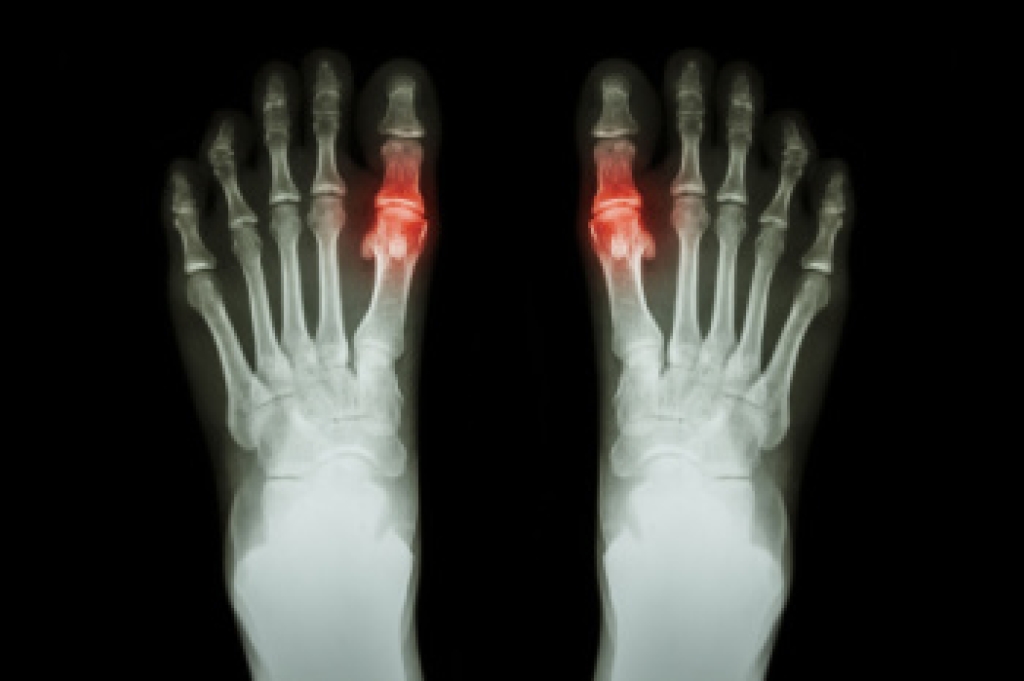
Having healthy feet during childhood can help prevent medical problems later in life, namely in the back and legs. As children grow, their feet require different types of care. Here are some things to consider...

Although babies do not walk yet, it is still very important to take care of their feet.

Avoid putting tight shoes or socks on his or her feet.

Allow the baby to stretch and kick his or her feet to feel comfortable.

As a toddler, kids are now on the move and begin to develop differently. At this age, toddlers are getting a feel for walking, so don’t be alarmed if your toddler is unsteady or ‘walks funny’. 

As your child gets older, it is important to teach them how to take care of their feet.

Show them proper hygiene to prevent infections such as fungus.

Be watchful for any pain or injury.

Have all injuries checked by a doctor as soon as possible.

Comfortable, protective shoes should always be worn, especially at play.

If you have any questions, please feel free to contact our office located in Centerville, OH . We offer the newest diagnostic and treatment technologies for all your foot care needs.
Read more about What to Do to Keep Your Child’s Feet Healthy

Connect With Us