
Causes of Ankle Pain

Ankle pain can develop from a variety of causes, ranging from sudden injury to gradual wear and tear. Sources include sprains, tendon inflammation, arthritis, or overuse from repetitive activity. A sprain may occur when the ligaments are stretched or torn, often leading to swelling, bruising, and difficulty bearing weight. In other cases, pain may build slowly with stiffness, aching, or a feeling of instability in the joint. The ankle may appear swollen, tender to touch, or limited in movement, especially after activity. A podiatrist can evaluate the ankle through physical examination and imaging  tests to determine the underlying cause. Treatment may include braces, changes in footwear, custom orthotics, and targeted exercises to restore strength and stability. In more severe cases, advanced treatment or surgery may be considered. If you have ankle pain that does not improve or interferes with daily activity, it is suggested that you schedule an appointment with a podiatrist for appropriate relief and treatment remedies.

Ankle pain can have many different causes and the pain may potentially be serious. If you have ankle pain, consult with one of our podiatrists from Brondon Foot and Ankle. Our doctors will assess your condition and provide you with quality foot and ankle treatment.

Ankle pain is any condition that causes pain in the ankle. Due to the fact that the ankle consists of tendons, muscles, bones, and ligaments, ankle pain can come from a number of different conditions.

Causes

The most common causes of ankle pain include:

  • Types of arthritis (rheumatoid, osteoarthritis, and gout)
  • Ankle sprains
  • Broken ankles
  • Achilles tendinitis
  • Achilles tendon rupture
  • Stress fractures
  • Tarsal tunnel syndrome
  • Plantar fasciitis

Symptoms

Symptoms of ankle injury vary based upon the condition. Pain may include general pain and discomfort, swelling, aching, redness, bruising, burning or stabbing sensations, and/or loss of sensation.

Diagnosis

Due to the wide variety of potential causes of ankle pain, podiatrists will utilize a number of different methods to properly diagnose ankle pain. This can include asking for personal and family medical histories and of any recent injuries. Further diagnosis may include sensation tests, a physical examination, and potentially x-rays or other imaging tests.

Treatment

Just as the range of causes varies widely, so do treatments. Some more common treatments are rest, ice packs, keeping pressure off the foot, orthotics and braces, medication for inflammation and pain, and surgery.

If you have any questions please feel free to contact our office located in Centerville, OH . We offer the newest diagnostic tools and technology to treat your foot and ankle needs.

Read more about Various Causes of Ankle Pain

Causes and Symptoms of Bunions

A bunion is a bony deformity that develops at the base of the big toe, where the joint becomes misaligned and pushes outward, creating a noticeable bump on the side of the foot. This condition is often noticeable as the skin is red and swollen over the affected joint, causing discomfort and irritation. Symptoms may include pain, tenderness, and difficulty wearing shoes. Common causes include inherited foot structure, wearing improper footwear, and repetitive stress on the joint, while risk factors include tight shoes, prolonged standing, and certain foot shapes. A podiatrist can assess the condition, recommend treatments, and provide relief strategies. If you notice symptoms of a bunion, it is suggested that you consult a podiatrist who can offer effective management solutions for pain relief and guidelines on preventing progression.

If you are suffering from bunion pain, contact one of our podiatrists of Brondon Foot and Ankle. Our doctors can provide the care you need to keep you pain-free and on your feet.

What Is a Bunion?

Bunions are painful bony bumps that usually develop on the inside of the foot at the joint of the big toe. As the deformity increases over time, it may become painful to walk and wear shoes. Women are more likely to exacerbate existing bunions since they often wear tight, narrow shoes that shift their toes together. Bunion pain can be relieved by wearing wider shoes with enough room for the toes.

Causes

  • Genetics – some people inherit feet that are more prone to bunion development
  • Inflammatory Conditions - rheumatoid arthritis and polio may cause bunion development

Symptoms

  • Redness and inflammation
  • Pain and tenderness
  • Callus or corns on the bump
  • Restricted motion in the big toe

In order to diagnose your bunion, your podiatrist may ask about your medical history, symptoms, and general health. Your doctor might also order an x-ray to take a closer look at your feet. Nonsurgical treatment options include orthotics, padding, icing, changes in footwear, and medication. If nonsurgical treatments don’t alleviate your bunion pain, surgery may be necessary.

If you have any questions, please feel free to contact our office located in Centerville, OH . We offer the newest diagnostic and treatment technologies for all your foot care needs.


Read more about What Are Bunions?

When Ankle Arthritis Tells a Bigger Story

Arthritis in the ankle is not as common as in other joints, so it often deserves a closer look. When there is no past injury to explain the damage, it may signal an underlying condition rather than simple wear and tear. One example is haemochromatosis, a condition where the body stores too much iron, which can build up and affect joint health, over time. When only one ankle joint is involved, gout, a painful arthritis caused by uric acid crystals, is often a more likely cause than other crystal-related conditions. If infection is present, bacteria are usually responsible, including certain sexually transmitted strains. Tuberculosis is less likely in this joint. When several joints become inflamed, ankle involvement may point toward specific inflammatory conditions rather than classic rheumatoid arthritis. These patterns help guide diagnosis and care. If you are experiencing ankle pain, swelling, or stiffness without a clear reason, it is suggested that you see a podiatrist for a proper diagnosis and appropriate treatment.

Arthritis can be a difficult condition to live with. If you are seeking treatment, contact one of our podiatrists from Brondon Foot and Ankle. Our doctors can provide the care you need to keep you pain-free and on your feet.

Arthritic Foot Care  

Arthritis is a term that is commonly used to describe joint pain.  The condition itself can occur to anyone of any age, race, or gender, and there are over 100 types of it.  Nevertheless, arthritis is more commonly found in women compared to men, and it is also more prevalent in those who are overweight. The causes of arthritis vary depending on which type of arthritis you have. Osteoarthritis for example, is often caused by injury, while rheumatoid arthritis is caused by a misdirected immune system.

Symptoms

  • Swelling
  • Pain
  • Stiffness
  • Decreased Range of Motion

Arthritic symptoms range in severity, and they may come and go. Some symptoms stay the same for several years but could potentially get worse with time. Severe cases of arthritis can prevent its sufferers from performing daily activities and make walking difficult.

Risk Factors

  • Occupation – Occupations requiring repetitive knee movements have been linked to osteoarthritis
  • Obesity – Excess weight can contribute to osteoarthritis development
  • Infection – Microbial agents can infect the joints and trigger arthritis
  • Joint Injuries – Damage to joints may lead to osteoarthritis
  • Age – Risk increases with age
  • Gender –Most types are more common in women
  • Genetics – Arthritis can be hereditary

If you suspect your arthritis is affecting your feet, it is crucial that you see a podiatrist immediately. Your doctor will be able to address your specific case and help you decide which treatment method is best for you.

If you have any questions please feel free to contact our office located in Centerville, OH . We offer the newest diagnostic tools and technology to treat your foot and ankle needs.

Read more about How to Care for Your Arthritic Foot

Heel Pain in the Morning?

Heel pain can negatively affect your day-to-day life. Simple activities like walking can become incredibly uncomfortable or painful due to heel pain.

Don’t live with heel pain and get treated.

Types of Foot Issues

Blisters, calluses, and cracked heels are common foot conditions that can cause significant discomfort during daily activities. Blisters form when friction from shoes or repeated movement causes fluid to collect under the skin. They may appear as raised, tender areas that feel sensitive when walking. Callouses develop when the skin thickens in response to pressure or friction, often on the ball of the foot or heel. While they protect the skin, they can become painful if they grow too thick. Cracked heels occur when dry skin splits along the heel, sometimes forming deep fissures that may sting or bleed. These problems are often linked to prolonged standing, poorly fitting shoes, dry skin, or uneven pressure on the foot. A podiatrist can evaluate the foot to determine why these conditions are developing and whether underlying issues, such as foot structure or walking patterns, are contributing to the pain. Treatment may include professional skin care, supportive footwear, and targeted exercises that improve pressure balance. If you have ongoing foot pain, it is suggested that you make an appointment with a podiatrist for a diagnosis and treatment.

Foot Pain

Foot pain can be extremely painful and debilitating. If you have a foot pain, consult with one of our podiatrists from Brondon Foot and Ankle. Our doctors will assess your condition and provide you with quality foot and ankle treatment.

Causes

Foot pain is a very broad condition that could be caused by one or more ailments. The most common include:

  • Bunions
  • Hammertoes
  • Plantar Fasciitis
  • Bone Spurs
  • Corns
  • Tarsal Tunnel Syndrome
  • Ingrown Toenails
  • Arthritis (such as Gout, Rheumatoid, and Osteoarthritis)
  • Flat Feet
  • Injury (from stress fractures, broken toe, foot, ankle, Achilles tendon ruptures, and sprains)
  • And more

Diagnosis

To figure out the cause of foot pain, podiatrists utilize several different methods. This can range from simple visual inspections and sensation tests to X-rays and MRI scans. Prior medical history, family medical history, and any recent physical traumatic events will all be taken into consideration for a proper diagnosis.

Treatment

Treatment depends upon the cause of the foot pain. Whether it is resting, staying off the foot, or having surgery; podiatrists have a number of treatment options available for foot pain.

If you have any questions, please feel free to contact our office located in Centerville, OH . We offer the newest diagnostic and treatment technologies for all your foot care needs.
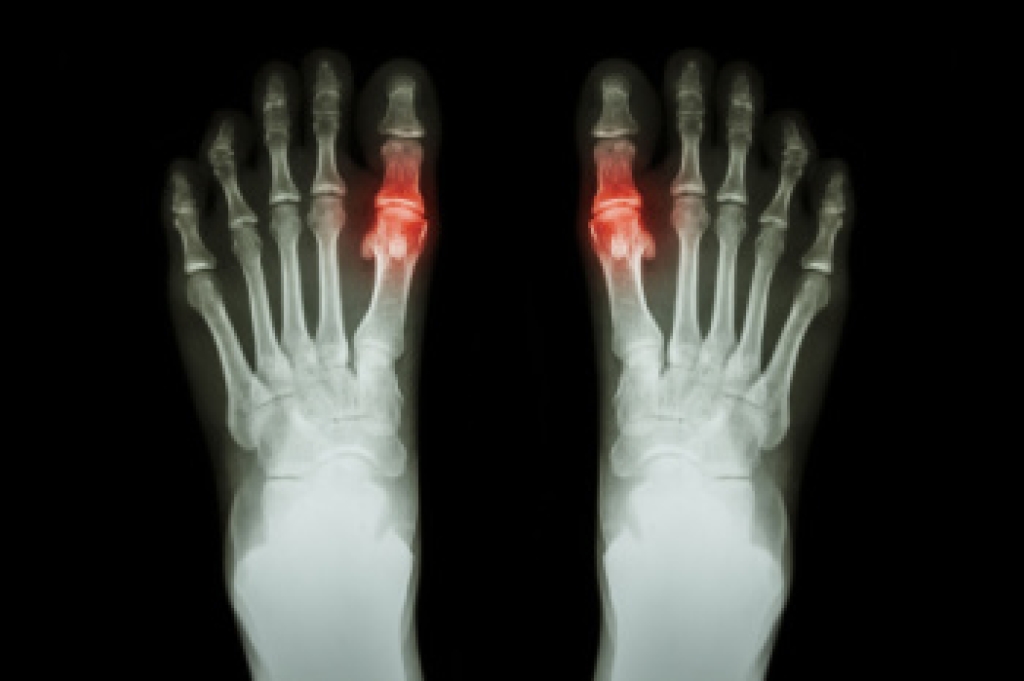
Read more about Foot Pain

Connect With Us